
Melville’s Restless Later Life
The WhaleThis flow follows Melville’s difficult shift from celebrated young adventurer to an increasingly isolated writer whose reputation arrives after his death.
increasing Bearing strength in each event
 decreasing
Bearing strength in each eventdecreasingA Childhood Disrupted
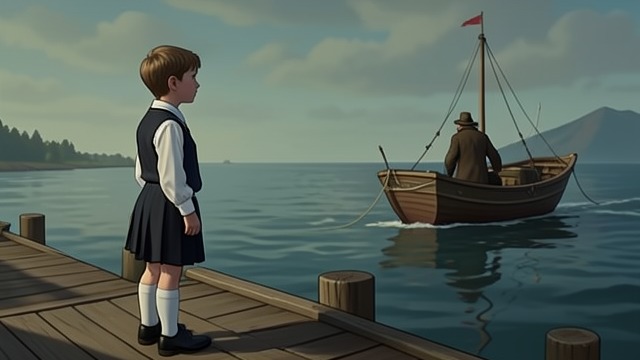
The Loss of Security
A family crisis
Melville’s father dies after financial ruin has forced the family to leave New York. Herman is left with little stability at a formative age.
A search for direction
He moves among school, work, and failed opportunities before turning toward the sea. His later restlessness draws on this early experience of being cast adrift.
A Sailor Without Roots

The Sea as a New Life
First passage
Melville sails to Liverpool as a young sailor and feels like an outsider among the crew. The journey exposes him to poverty, travel, and maritime uncertainty.
A deeper departure
He later joins the Acushnet and spends years at sea. The whaling voyage gives him experience and story, but makes ordinary land life harder to resume.
A Literary Sensation
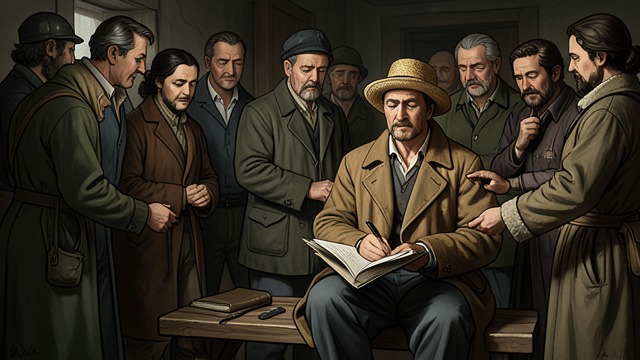
Early Fame
The success of Typee
Melville’s South Seas narratives make him a conspicuous young author and an object of public fascination. His writing draws on travel, danger, and the appeal of unfamiliar worlds.
Expectations tighten
Later books receive a less welcoming response. Melville seeks to write beyond the formula that first brought him recognition.
The Burden of Moby-Dick
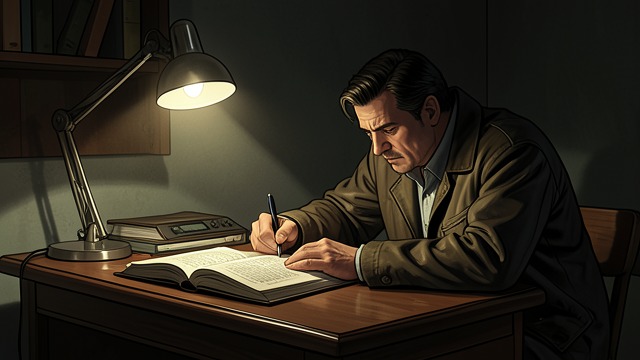
A Book Takes Over
An enlarged project
Melville’s whale romance grows into a demanding work of symbolism and argument. His rural life and long hours of writing intensify his isolation.
A painful reception
The book confounds reviewers and earns little commercial reward. Melville feels that its significance has been understood by very few people.
The Forgotten Author
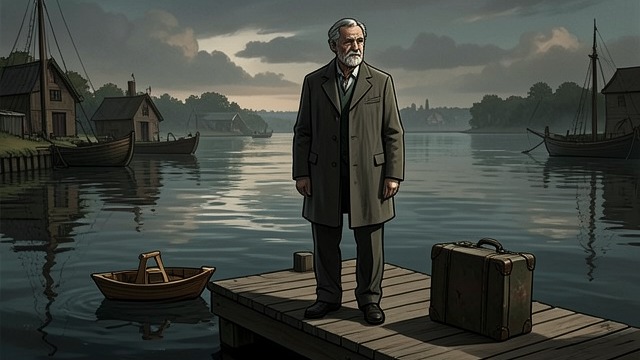
A Life Outside Fame
Private losses
Melville returns to New York, works in the Custom Service, and endures the deaths of his sons. His literary career no longer brings the audience or success he once hoped for.
A delayed afterlife
He dies in 1891 with Moby-Dick far from its later reputation. Readers in the new century recast the neglected writer as a central American voice.
At age twelve in 1832
From 1839 into the early 1840s
In the late 1840s
From 1850 through the early 1850s
From the 1860s until Melville’s death in 1891
